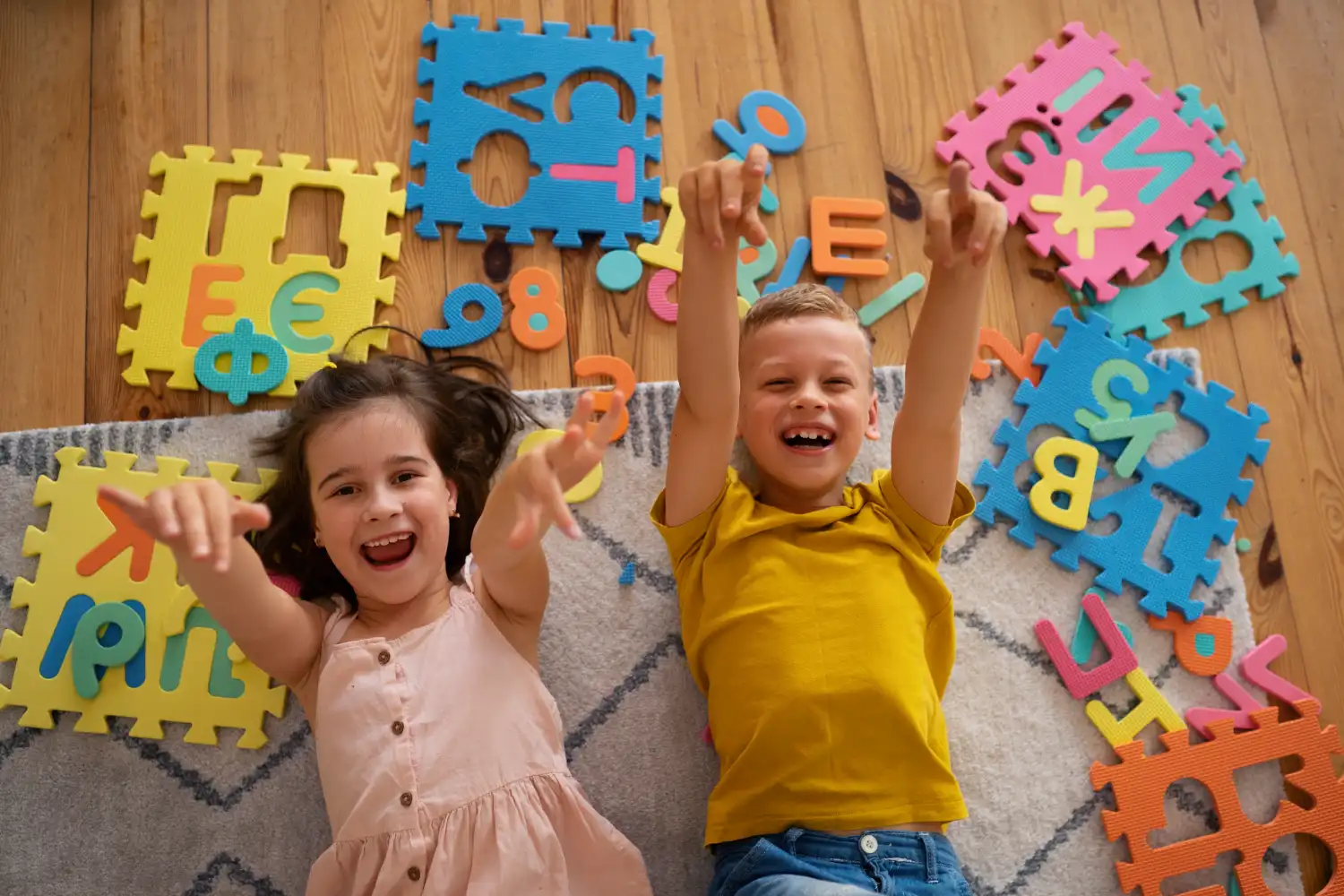
Importance of physical activity in preschool
Physical activity in preschool is extremely important because it supports children’s overall development—physically, mentally, socially, and emotionally. At the preschool stage (around 2–5 years), children grow rapidly, and active play helps build strong foundations for lifelong health and learning.
Below is a detailed explanation of why physical activity is important in preschool:
1. Physical Development
Regular
physical activity helps children develop strong muscles, bones, and
coordination.
Benefits:
- Improves balance and body
control
- Develops motor skills
(running, jumping, climbing, throwing)
- Builds muscle strength
and flexibility
- Supports healthy growth
and weight management
Examples
of Activities:
- Running and jumping games
- Climbing on playground
equipment
- Dancing or movement games
- Throwing and catching balls
2. Brain Development & Learning
Physical
activity also supports brain growth and cognitive development.
How it
helps:
- Improves concentration
and attention
- Enhances memory and
learning ability
- Stimulates brain connections
through movement
- Helps children learn
concepts like space, direction, and timing
Research
shows active children often perform better in learning activities such
as counting, storytelling, and problem-solving.
3. Development of Motor Skills
Preschool
activities help children develop two important types of motor skills:
Gross Motor Skills
Large
body movements like:
- Running
- Jumping
- Skipping
- Climbing
Fine Motor Skills
Smaller
movements such as:
- Drawing
- Building blocks
- Buttoning clothes
Physical
play strengthens the coordination between brain and body.
4. Social Skills Development
When
children play physically with others, they learn important social behaviors.
They
learn to:
- Share
- Take turns
- Follow rules
- Work as a team
- Communicate with friends
Group
games and outdoor play help build friendships and cooperation.
5. Emotional Well-Being
Physical
activity helps children manage their emotions.
Benefits
include:
- Reduces stress and
anxiety
- Improves mood
- Builds confidence and
self-esteem
- Helps children express
feelings through movement
Active
children are often happier and more confident.
6. Healthy Habits for Life
When
children learn to enjoy physical activity early, they are more likely to stay
active as they grow older.
This
helps prevent:
- Childhood obesity
- Heart disease
- Diabetes
- Poor lifestyle habits
Preschool
is the best stage to develop healthy routines.
7. Improves Sleep and Energy Levels
Children
who are physically active during the day tend to:
- Sleep better at night
- Have more energy
- Be more attentive in
class
8. Creativity and Imagination
Active
play encourages creative thinking.
For
example:
- Pretending to be animals
- Acting out stories
- Creating obstacle courses
This
supports both physical movement and imagination.
Recommended Physical Activity Time
Experts
recommend that preschool children should have:
- At least 3 hours of physical
activity daily
- Including 1 hour of
energetic play
This can
include both structured activities and free play.
Examples of Good Preschool Physical Activities
- Dancing and music movement
- Obstacle courses
- Ball games
- Nature walks
- Jump rope or hopping games
- Yoga for kids
- Playground play
✅ Conclusion
Physical
activity in preschool is essential for developing healthy bodies, strong
brains, good social skills, and positive emotions. Active play not only
keeps children fit but also prepares them for better learning and healthy
living in the future.